Chapter One · The Vault Opens
WHAT ARE CHINESE
NUMISMATIC CHARMS?
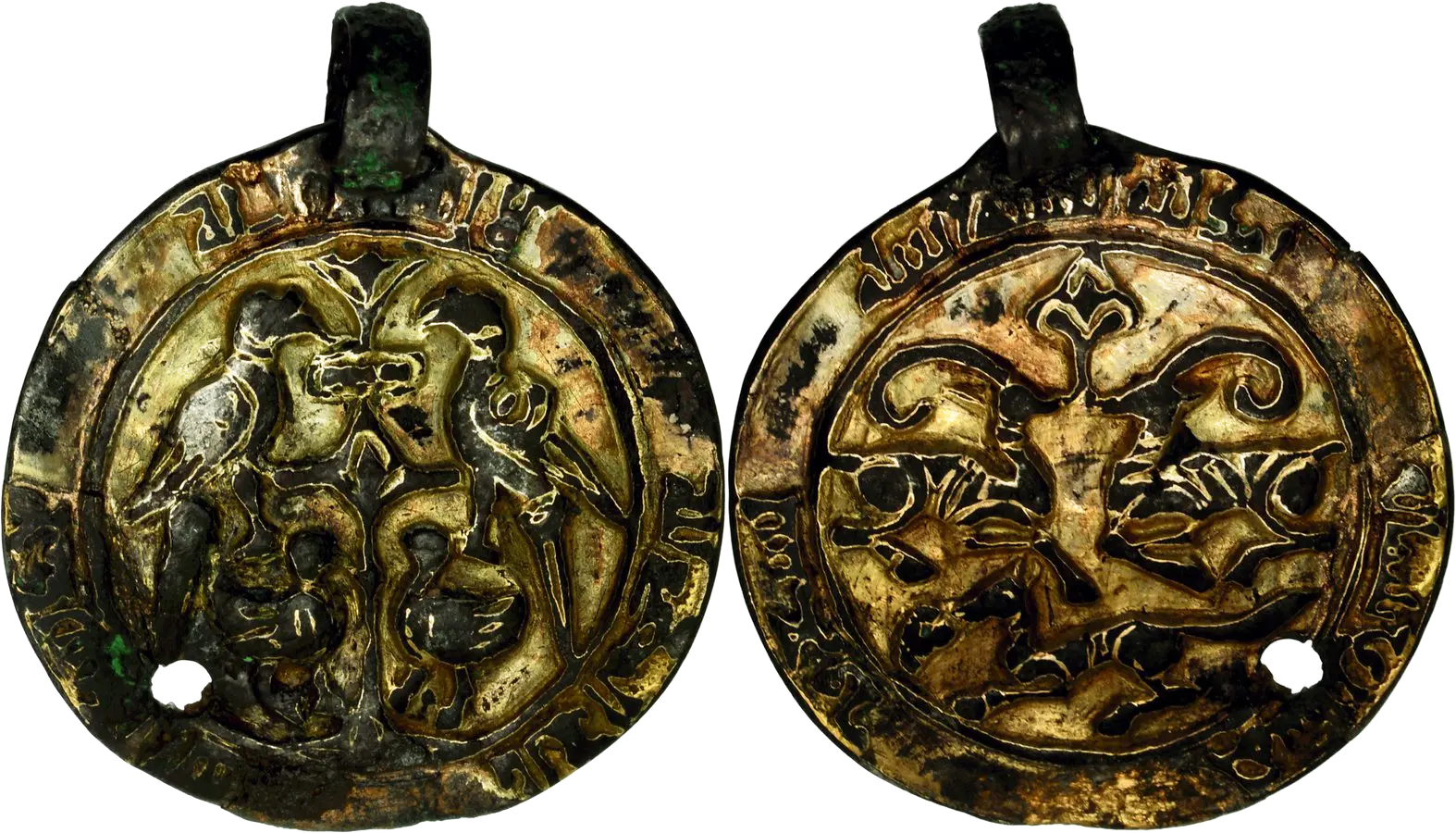
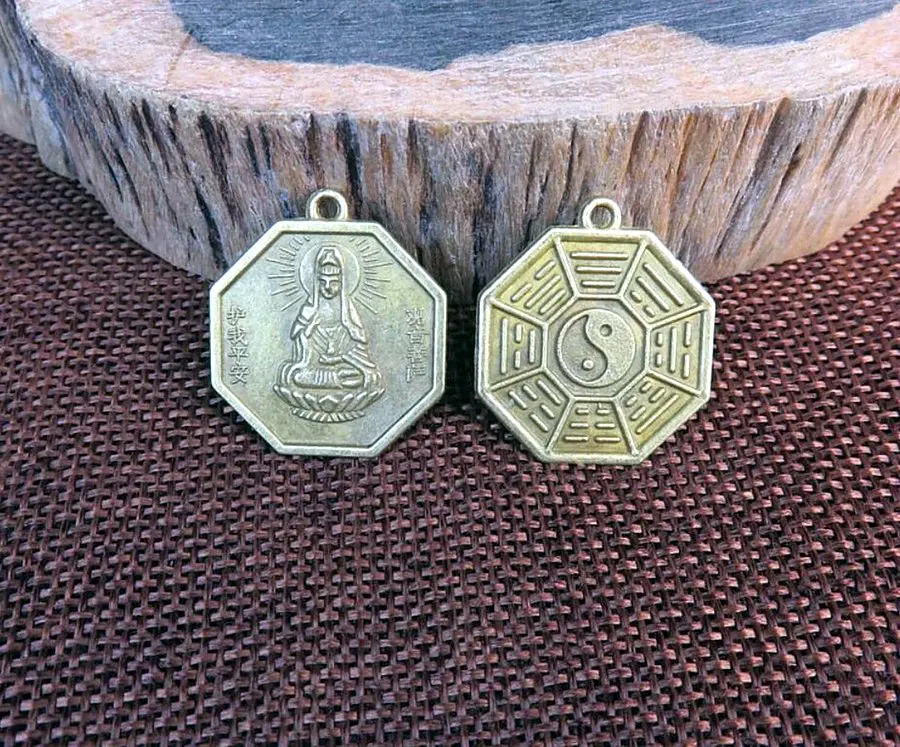
Chinese numismatic charms — informally called Yansheng coins (厌胜钱), ya
sheng qian or "suppressing-evil coins" — are decorative coin-shaped amulets that were never
used as currency. Cast in bronze, brass, copper, jade or porcelain, they were created for
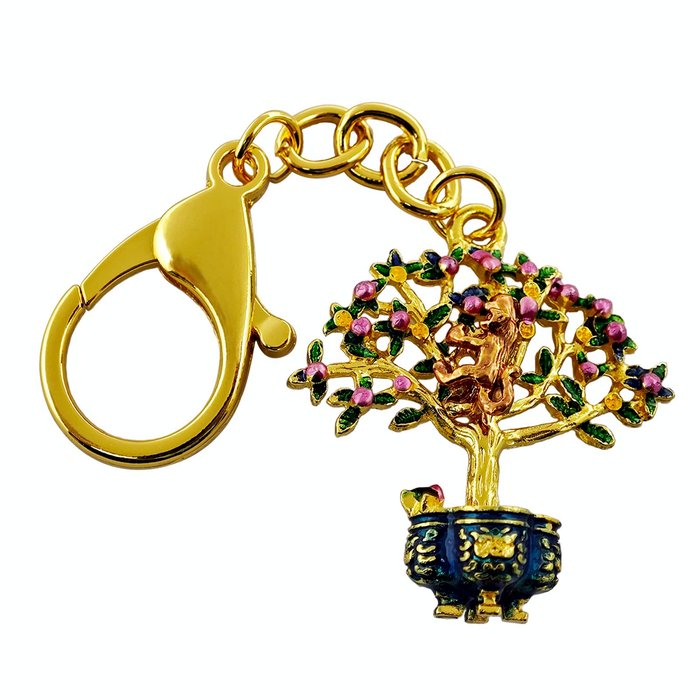
rituals, fortune telling, feng shui, weddings, birthdays, and as everyday talismans to ward off misfortune
and attract prosperity.
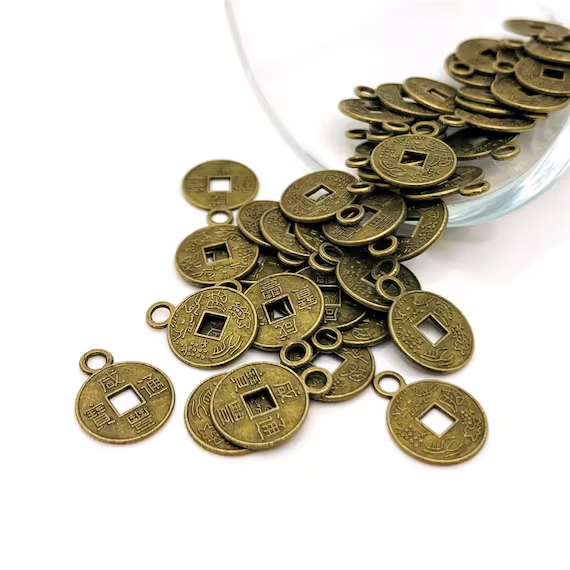
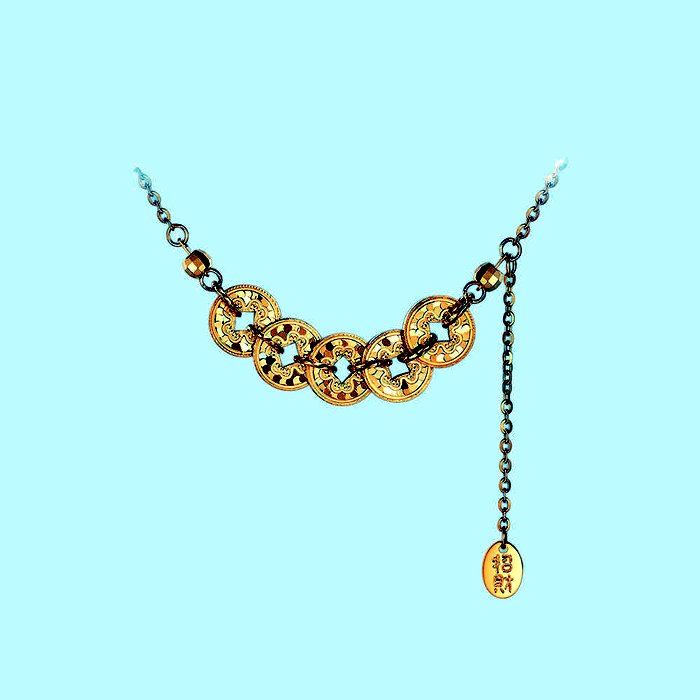
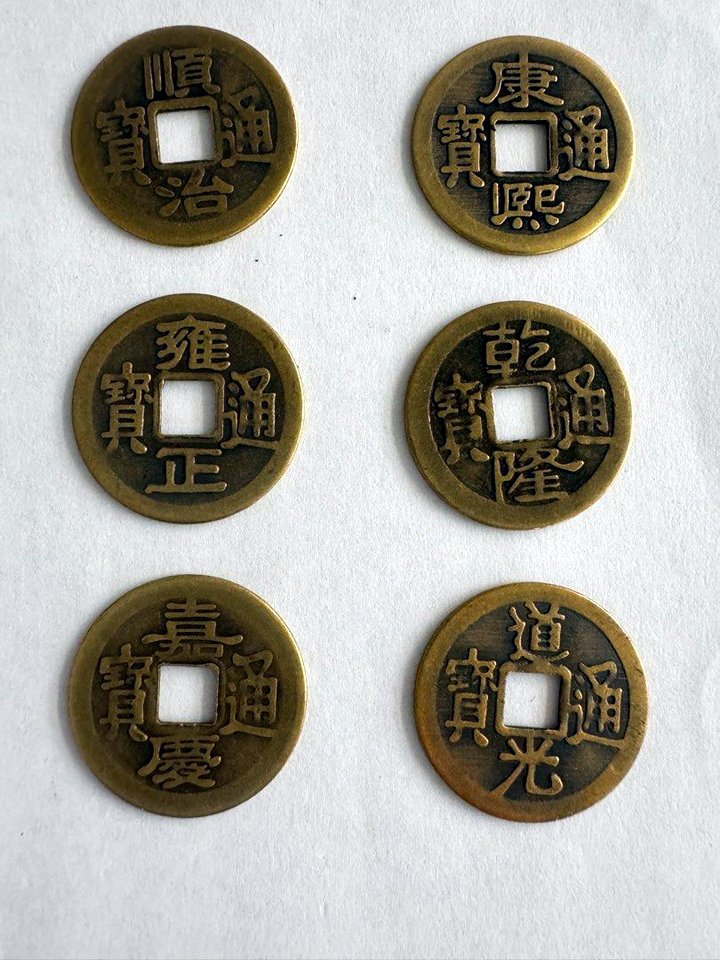
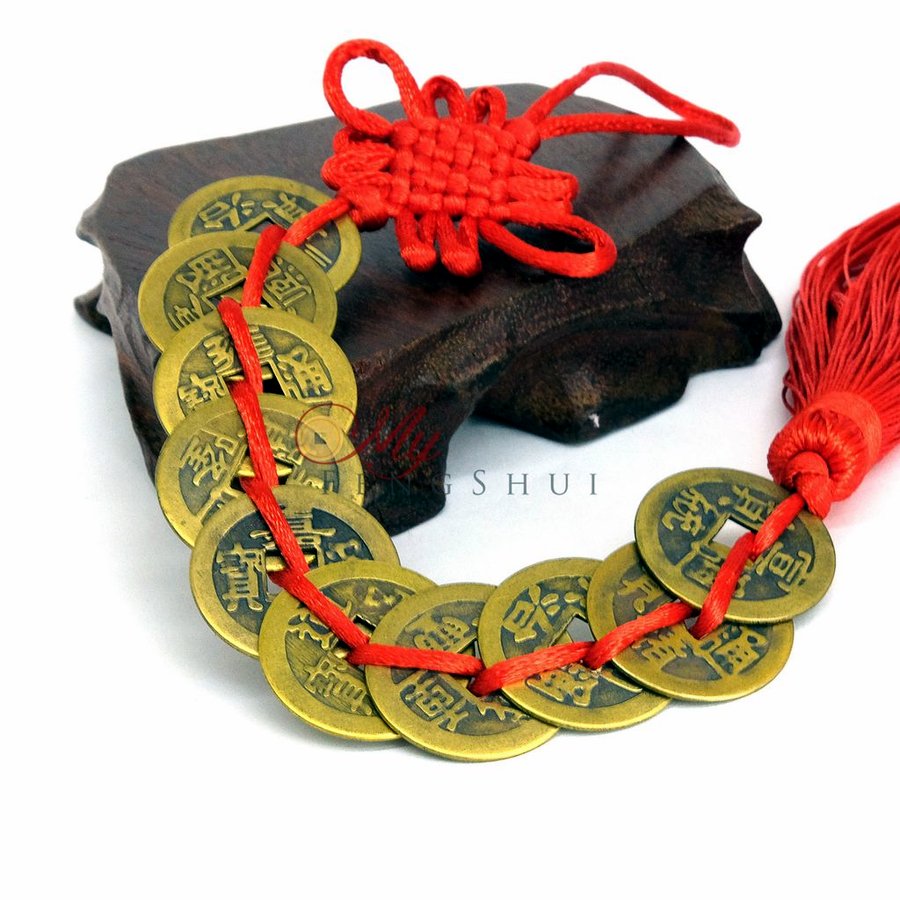
The form is unmistakable: a round disc with a square hole at the centre. The roundness represents heaven,
the square represents earth, and the human hand that holds the coin completes the cosmological triad of
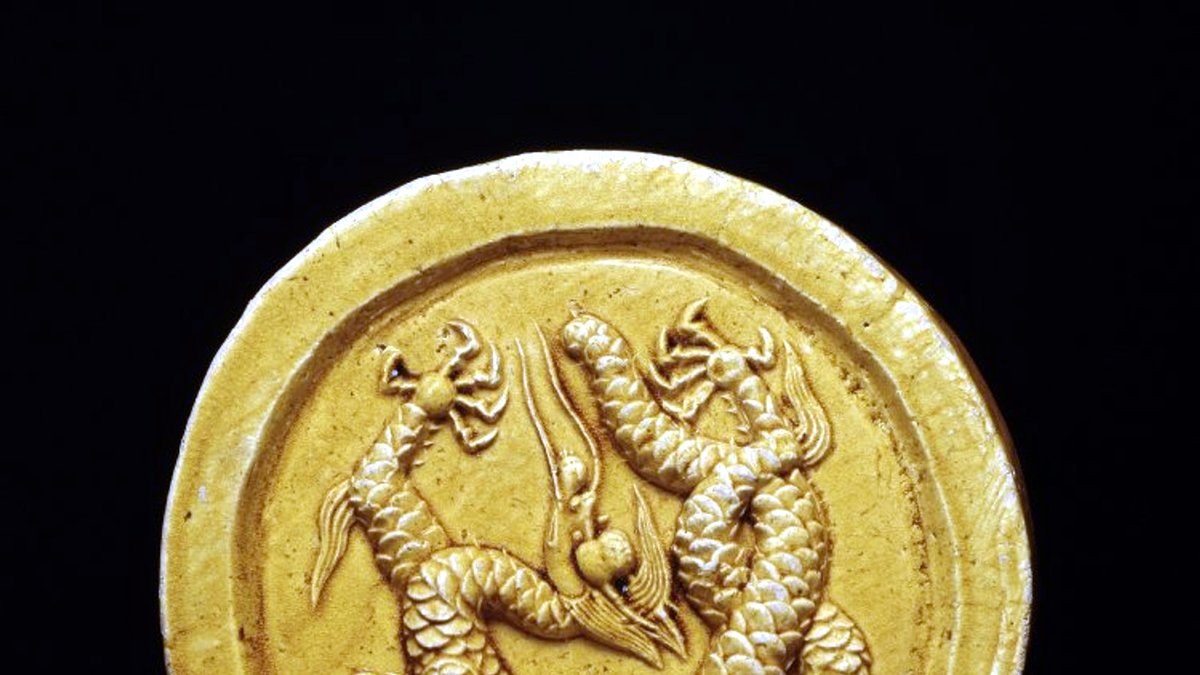
tian yuan di fang (天圆地方). What sets a charm apart from a regular cash coin is what is written and
pictured on its face — auspicious characters, Daoist magic symbols, the twelve zodiac animals, the eight
trigrams, dragons, phoenixes, peaches, bats, and immortals.
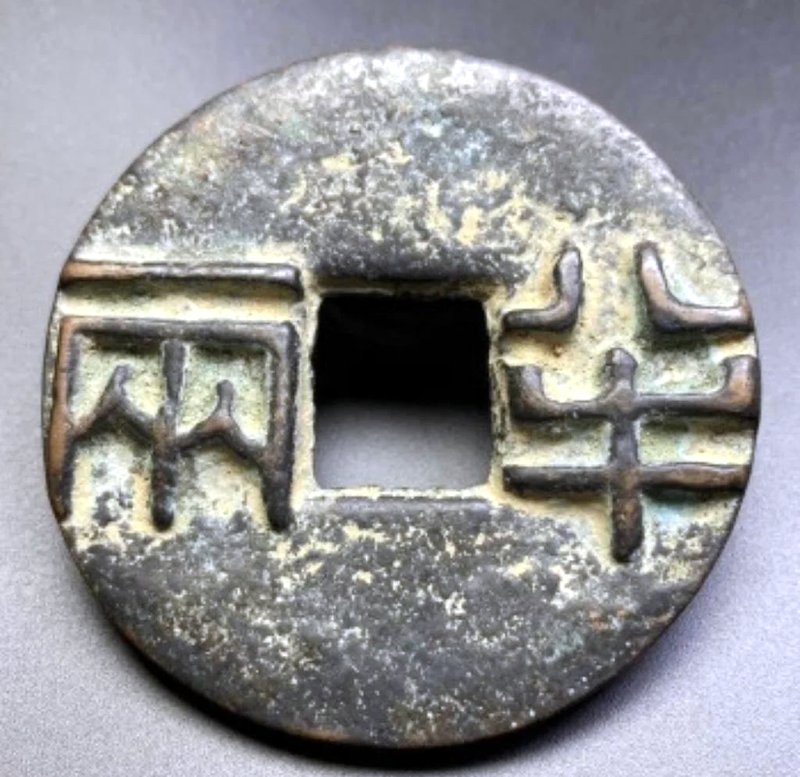
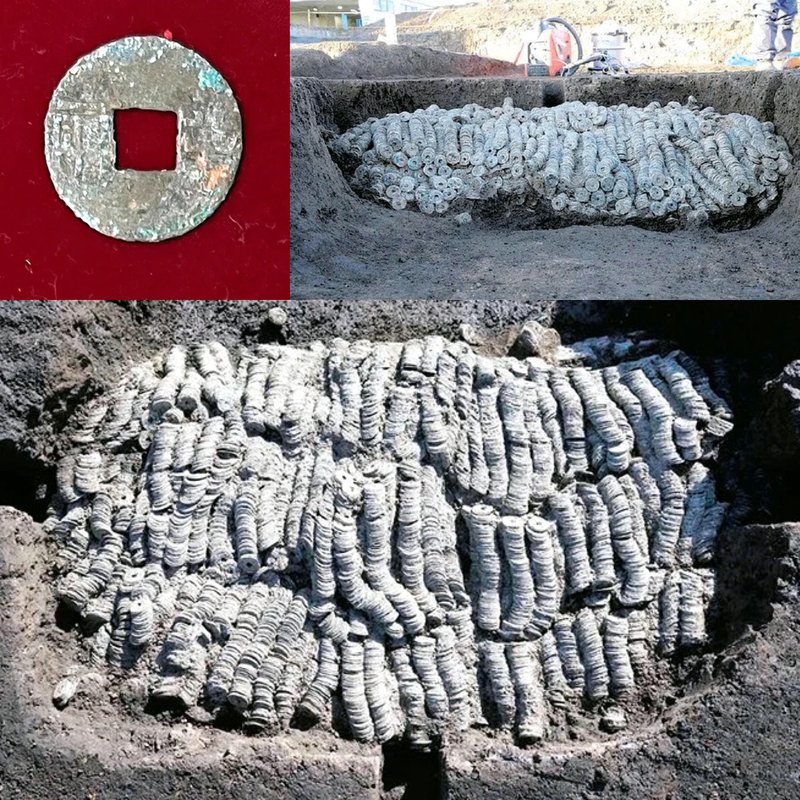
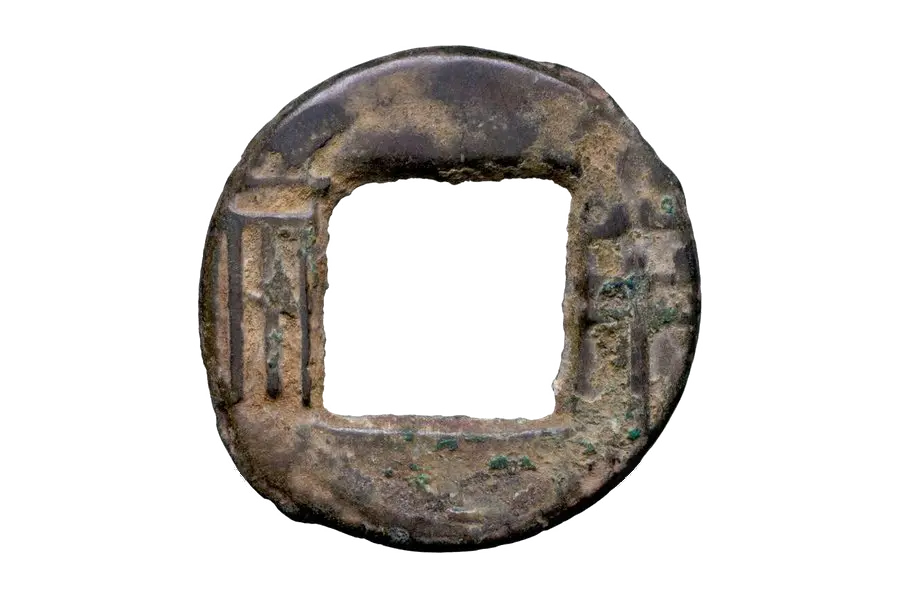
The earliest true charms appeared during the Han Dynasty (206 BC - 220 AD), evolving from
the bronze wuzhu and banliang coins of the era. Their production peaked under the Song
Dynasty (960-1279 AD) and continued through the Ming and Qing right up to the early Republic. Today, the
same forms are still cast in Malaysia and across Southeast Asia for temples, fortune tellers, feng shui
masters, and collectors who carry them as pocket guardians.